The short version
- Deductions generally need evidence and an actual cost, rather than an opinion about how the flat looks.
- Fair wear and tear is not damage. Four years of ordinary use is expected rather than chargeable.
- Your deposit sits with an approved scheme, not with the landlord, and the scheme offers a free resolution process.
- The comparison is against the check-in record, so that document matters more than anyone’s general standards.
- Cleaning is the most commonly disputed item, and most of it can be done before the van ever arrives.
- None of this is legal advice, and your own agreement plus your scheme’s guidance are the sources that count.
End-of-tenancy advice usually tells you what to do. This one goes the other way and looks at where the limits sit, because knowing that is what stops a reasonable conversation turning into an unreasonable one.
Worth saying at the outset that this is much less common than the internet suggests. Figures published across the UK deposit schemes put the proportion of deposits reaching formal adjudication at around one per cent. Most tenancies end with everybody being sensible.
An opinion is not a deduction
Deductions are generally expected to be supported by evidence and by a cost that has actually been incurred. A view that the flat could be cleaner is not, on its own, the same thing as a documented claim against a deposit.
The schemes broadly look for the same things: what the property was like at the start, what it is like now, what the difference is attributable to, and what putting it right actually cost.
A related point that surprises people. Where a landlord carries out work themselves rather than paying somebody, the position on claiming for their own labour is not straightforward, and it is one of the areas where evidence tends to be examined closely.
None of which means deductions are never justified. Plenty are. It means the process is meant to be evidenced rather than asserted, and that cuts both ways.
Fair wear and tear is not damage
Fair wear and tear broadly means the deterioration you would expect from ordinary use across the length of the tenancy. Carpet walked on for four years is a different proposition from carpet with a burn in it.
The length of the tenancy matters to that judgement. Wear that would look excessive after six months may be entirely ordinary after five years, and the schemes generally take that into account.
Age and condition at the start matter too. A carpet that was already worn when you arrived does not become new by virtue of your having lived on it.
There is also a general principle that a deduction is not meant to leave a landlord better off than before, so replacing something old with something new is usually approached on a proportionate basis rather than at full cost.

The comparison is the check-in record
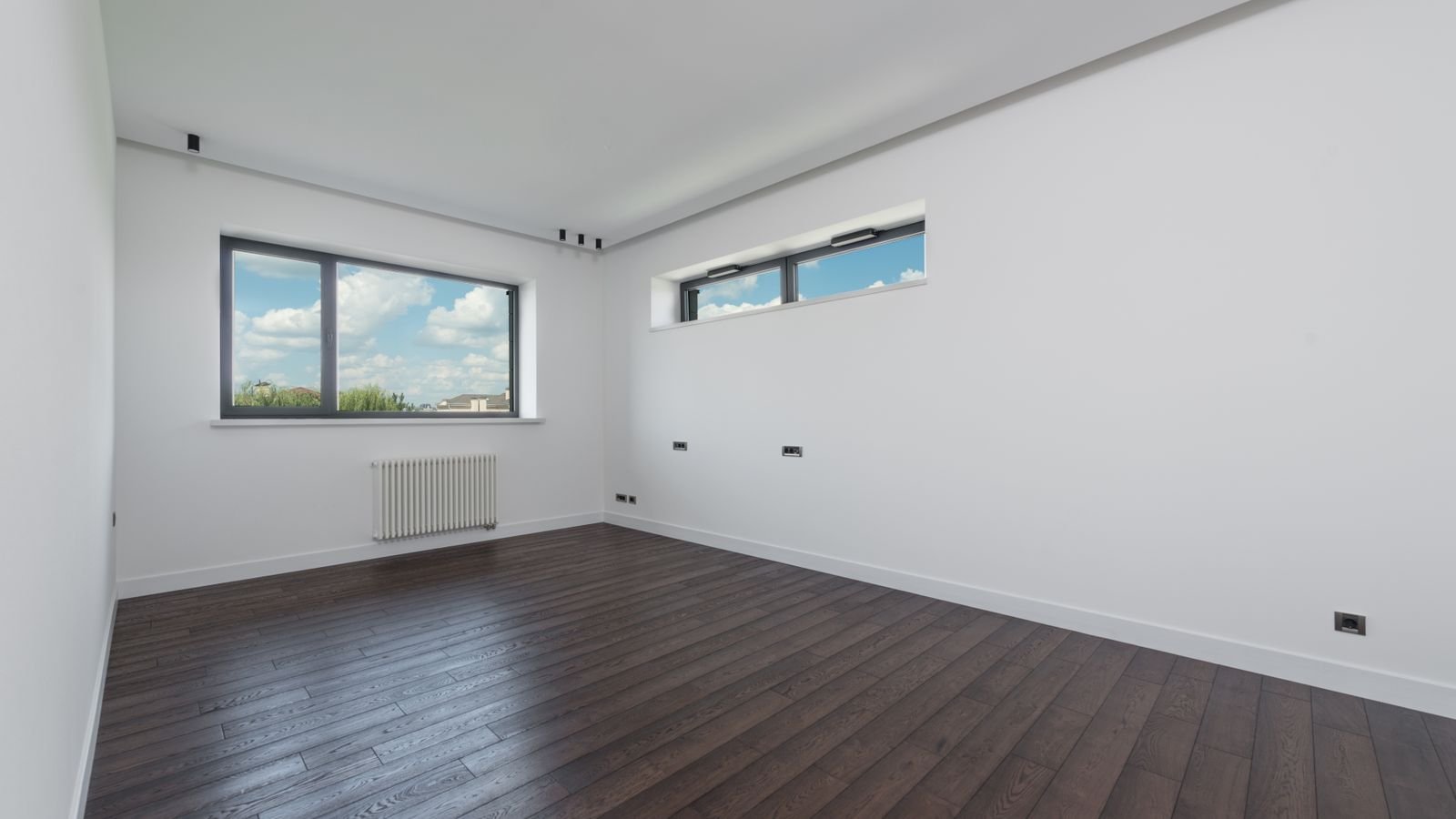
Whatever happens at the end is measured against the condition documented at the start. That makes the check-in inventory the single most important document in the process, and it is worth reading before the last week rather than after a deduction appears.
Reading it early helps in both directions. It tells you the standard being compared against, and it fairly regularly reveals that a mark somebody has been quietly worrying about was recorded before they ever moved in.
Where the check-in record is thin or missing, that generally makes it harder to establish what changed, which is a point worth understanding rather than exploiting.
Your own dated photographs of the empty flat are the natural companion. A few minutes at the end gives you a record of the condition you left it in, and it is the thing people most often wish they had.
Cleaning: the most disputed item, and the most preventable
Cleaning is consistently reported as the largest single cause of deposit disputes across the UK schemes. Data published by the Deposit Protection Service put it at just under 30 per cent of disputes in 2025, ahead of damage at around 18 per cent.
The interesting part is that most of it is preventable through timing rather than effort, because the majority of end-of-tenancy cleaning is not blocked by furniture at all.
The oven, the kitchen cupboards, the fridge, the bathroom, the windows and any outside space can all be done in the fortnight beforehand. What genuinely needs an empty flat is floors, skirting and whatever was hidden behind things.
On the question of whether a professional clean can be required: the position on blanket contractual requirements has shifted in recent years and is not what many people assume. The practical standard generally concerns the condition the property is returned in rather than who did the work. Check your own agreement and your scheme’s guidance rather than taking anyone’s word for it, including this article’s.
What tends to get looked at, and what does not
Attention is not spread evenly across a property. Commentary from deposit schemes and inventory professionals names the same handful of areas repeatedly, which is useful because it tells you where to spend your limited time.
The oven. Universally the first thing opened and the job most often underestimated. If it has been neglected for a couple of years, treat it as a project started days ahead rather than a task done on the morning.
Behind and under everything. The gap behind a washing machine or fridge is invisible for the whole tenancy and extremely visible the moment the appliance is wheeled out. Same for under beds and sofas.
Outside space. Easily forgotten entirely, particularly during a winter move, and it appears on the inventory like every other area.
Storage areas. Cupboards, sheds, cellars. Anything that has been in there since you moved in still counts as yours to remove.
Keys. All of them. This comes up regularly and takes ten minutes of thought to avoid.
What tends to attract less scrutiny is ordinary lived-in wear consistent with the length of the tenancy, which is the fair wear and tear point above. Spending three hours on something that was already recorded as worn at check-in is time that would have been better spent on the oven.
The fortnight before does most of the work
The single most useful realisation is that the majority of end-of-tenancy cleaning does not need an empty flat. Front-loading that work is what prevents the final day becoming impossible.
Work through the list that furniture does not block: oven, kitchen cupboards, fridge and freezer, bathroom, windows, outside space, and any storage that needs emptying.
Deal separately with anything that has to leave the property but is not going in the van, because disposal routes need arranging in advance rather than on the day. Uplift services in particular need booking.
Then set the cleaning kit aside somewhere it cannot be loaded by mistake. The hoover disappearing into the van is the most common self-inflicted problem of the entire day, and it is entirely preventable with one labelled box by the front door.
What you cannot fix on the day
Move-out day has three jobs that must happen in order and cannot overlap. The flat empties, then it is cleaned, then somebody inspects it. Compress them into one afternoon and the cleaning is always what gets squeezed.
You cannot clean a room properly with a sofa in it, because what needs cleaning is underneath the sofa. You cannot hurry a van, because loading takes as long as loading takes. And you cannot move a check-out slot at short notice with any reliability.
Two things remove most of this. Doing everything that does not need an empty room in the preceding fortnight, and asking for a late afternoon check-out at the point of booking rather than on the morning.
The third, where the tenancy allows it, is keeping the keys for a day after the van leaves. It usually costs a night of overlapping rent and it converts an impossible afternoon into two straightforward halves. An empty flat also cleans in roughly half the time.
One local complication worth planning around: a van that cannot park near the close lengthens the loading, and that overrun comes directly out of your cleaning window. Our guide to removal van parking in Glasgow covers what to arrange.
Tenement flats and shared space
Flatted property adds two considerations: the close is shared and cannot be blocked indefinitely, and some agreements include obligations relating to common areas such as the stair or the back court.
Check what your agreement actually says about common areas. It varies, and assuming either way is unhelpful.
Tell the neighbours. A move blocks a shared stair for hours, and a note or a knock a few days beforehand prevents almost all of the friction that otherwise arises.
Bulky items cannot be left in the back court. Whatever is not going in the van needs a disposal route arranged in advance, and uplift services need booking rather than assuming.
Stairs lengthen the load. Three flights multiplies across every item, which is the overrun that eats the end of the day.
Tell us the address, the floor and your check-out time and we will plan the day around it.
Get a quoteIf you are sharing the flat
Where several people are named on one agreement, the property is generally treated as a whole rather than room by room. Communal areas therefore belong to everybody, including the kitchen nobody has ever felt responsible for.
The practical consequence is that a shared flat needs a conversation rather than an assumption, and it goes considerably better held a fortnight out than at eight on the final morning.
Three things worth agreeing in advance, written down however informally, because verbal arrangements dissolve under time pressure.
Who takes which communal area. Kitchen, bathroom, hall, stair if it applies. Splitting by room is simpler than splitting by task.
What happens to shared furniture. The sofa somebody bought in first year still has to leave the building, and deciding whose problem it is on the day is too late.
What happens if people leave on different dates. The last person out tends to inherit whatever everybody else left, which is worth naming before it happens rather than after.
In Glasgow this lands hardest around the late-summer changeover, when a very large number of shared tenancies end within the same few weeks and vans, cleaners and uplift slots are all in demand simultaneously.
Where the disagreement goes if there is one
Deposits in Scotland are held by an approved tenancy deposit scheme rather than by the landlord, and each scheme provides a free process for resolving disagreements about deductions.
It is worth knowing which scheme holds yours before you need to, since you should have been told at the start of the tenancy. Confirming takes a few minutes.
The general shape of the process is that both sides submit evidence and an independent adjudicator decides. That is why photographs, the check-in inventory and any receipts matter more than the strength of anyone’s feelings about it.
Talking first is usually quicker than anything formal, and a fair proportion of disagreements resolve at that stage. Where they do not, the scheme’s own guidance sets out how to proceed, and free housing advice services exist for anyone who wants a second opinion on where they stand.
Things that are easy to overlook
- Meter readings, photographed with the date visible
- Light bulbs, which should generally all work
- Hooks, shelves and adhesive strips that seemed reasonable at the time
- Every key, including window keys, the close key and any spare cut years ago
- Rubbish, which cannot be left even in tidy bags
- The freezer, defrosted rather than simply switched off
- Anything belonging to the landlord that was moved, put back where it started
Our guide to who to tell when you move house covers the wider notification list.
How Glasgow Moving works around a check-out
Tell us at quote stage that there is a check-out and roughly when it is. It changes how the day is planned rather than what it costs, and it means rooms can be cleared in an order that lets you start cleaning early rather than waiting for the flat to empty.
An accurate survey matters more than usual for the same reason, since a load that overruns takes time directly out of the end of your day. That is covered in our guide to why removals quotes change.
Our packing service shortens the loading, which is the part standing between you and an empty flat. House removals cover the move, and storage helps where the dates do not quite meet.
Questions about deposits and moving out
Can a landlord deduct money just because the flat looks untidy?
Deductions are generally expected to be supported by evidence and by a cost actually incurred, measured against the condition recorded at check-in. An opinion on its own is not the same as a documented claim, though that does not mean deductions are never justified.
What counts as fair wear and tear?
Broadly the deterioration you would expect from ordinary use across the length of the tenancy, as distinct from damage. Carpet walked on for years differs from carpet with a burn in it, and the length of the tenancy is taken into account.
Do I have to pay for a professional clean?
The position on blanket contractual requirements has changed in recent years and is not what many people assume. The practical standard generally concerns the condition the property is returned in rather than who cleaned it. Check your own agreement and your deposit scheme’s guidance.
Who holds my deposit in Scotland?
An approved tenancy deposit scheme rather than your landlord. You should have been told which one at the start of the tenancy, and each scheme provides a free process for resolving disagreements about deductions.
What is the most disputed item at the end of a tenancy?
Cleaning, consistently, across the UK schemes. Deposit Protection Service data put it at just under 30 per cent of disputes in 2025, ahead of damage. Most of it is preventable through timing, since the majority of the work is not blocked by furniture.
Should I photograph the flat when I leave?
It is a sensible few minutes. Dated photographs of every empty room give you a record of the condition you left the property in, and that is the evidence people most often wish they had gathered.
What if I disagree with a deduction?
Talk first, since a fair proportion resolve at that stage. If not, your deposit scheme runs a free resolution process where both sides submit evidence and an independent adjudicator decides. Free housing advice services are available for anyone wanting a second opinion.
This is general information rather than legal advice, and it reflects published guidance as at 11 August 2026. Tenancy rules and deposit scheme processes change and vary by agreement. Your own tenancy agreement, your deposit scheme and a housing adviser are the right sources for your own circumstances.