The short version
- A sofa that will not clear a close is a measuring problem first, not a strength problem. Check the diagonal against the tightest point before moving day.
- Forcing it risks two separate bills: damage to the sofa, and damage to a stair that is common property, not yours alone.
- Common stair damage is a shared cost under Scots tenement law, which means a scraped step can become everyone’s problem, not just the mover’s.
- A specialist sofa lift through a window is a routine, bookable service and is almost always cheaper than the alternative.
- If you’re renting, damage to communal areas can also affect what a landlord or factor tries to claim back later.
Why This Is a Bigger Deal in a Close Than a House
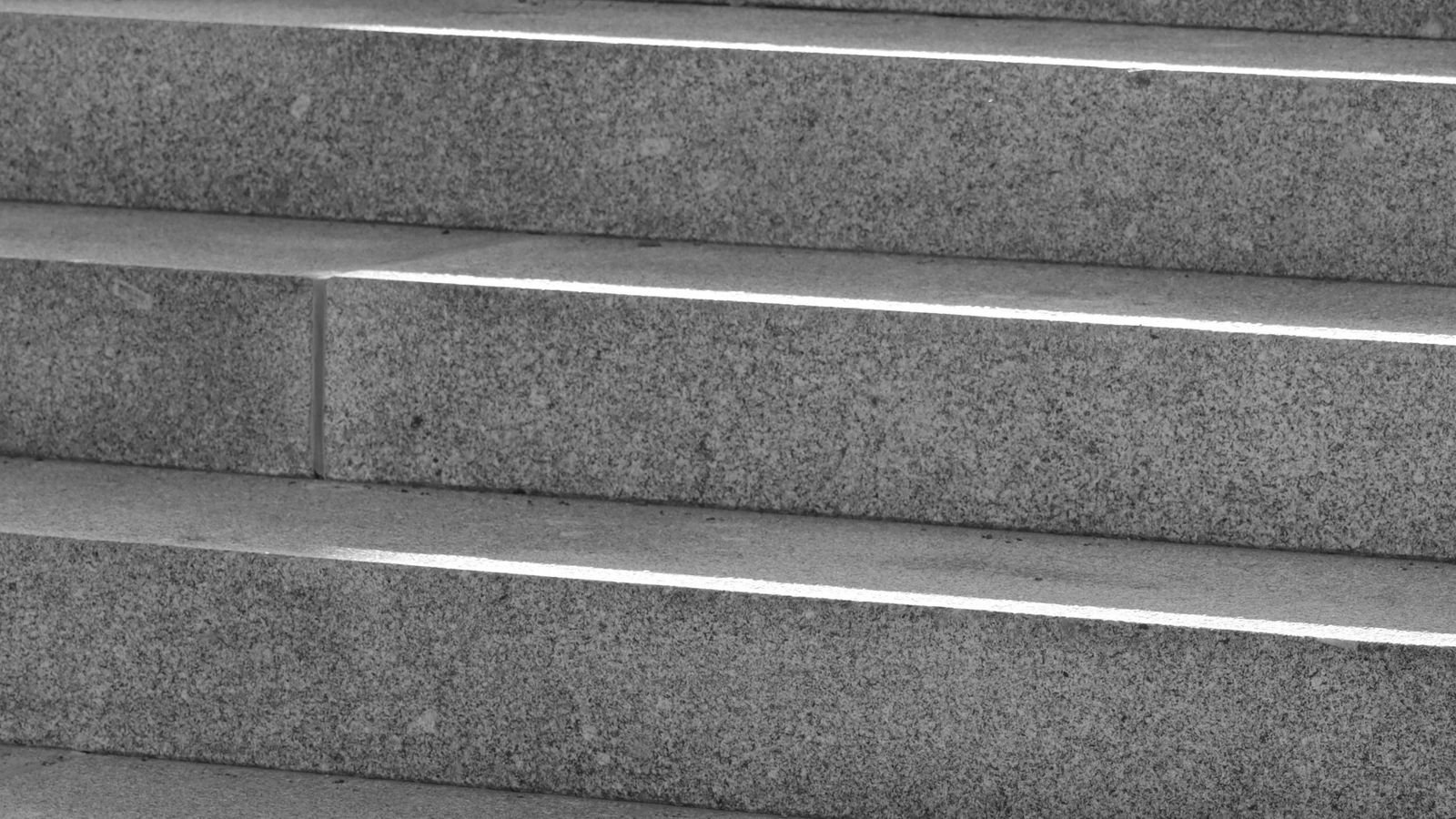
Glasgow has one of the largest concentrations of tenement housing in the country, and closes built well over a century ago were not designed with modern upholstered sofas in mind. Stone steps, tight half-landing turns, and narrow close entrances all reduce the margin for error that a wider modern hallway would allow. A sofa that clears a suburban house without a second thought can be a genuine problem two flights up a tenement stair.
Measuring Before You Commit to a Date
Walk the full route from the flat’s front door to the close entrance before moving day, checking every turn rather than relying on memory. It is common for a sofa to clear the flat’s own internal doorway without trouble and then meet its actual limit two floors down at a landing nobody thought to check.
The Technique, and Where It Runs Out
The Health and Safety Executive’s guidance on manual handling applies just as much on a stair as anywhere else: keep the load close to the body, move smoothly, and stop rather than force a lift that is not going cleanly. If the sofa still will not pass after a proper attempt at the angle, and removing the flat’s own internal door has not created enough margin, that is the point to stop entirely rather than try harder.
Get a quote and we'll factor in access before moving day, not after.
Get a QuoteWhat a Scraped Stair Actually Costs
Scots tenement law treats the close, stair and landings as commonly owned by the flats that use them, with liability for repairs generally set out in the title deeds or, where the deeds are silent, under the default rules in the Tenements (Scotland) Act 2004. Exactly how a specific building’s costs are apportioned depends on that building’s own title deeds, so this is genuinely worth checking for your own property rather than assuming a general rule applies. What is consistent is that a repair bill split across several owners tends to generate far more friction than a specialist lift booked in advance would have.
Does Insurance Cover It?
If a professional removals team is handling the move, it is worth asking in advance how they handle a piece of furniture that turns out to be a tighter fit than expected, and what can cause a quote to change once a surveyor or crew sees the property in person. A reputable mover will flag a difficult close during a survey rather than discovering it with a sofa half-wedged on the stair.
Renting? Check What Counts as Damage to the Property
Our guide on what a landlord cannot charge you for covers the broader picture of deposit deductions and what is and is not fair to claim back. Damage to a shared stair sits in a slightly different category to damage inside the flat itself, since it may involve the factor or the building’s owners collectively rather than just your landlord, so it is worth checking both angles.

When a Specialist Lift Is the Sensible Option
This is worth booking in advance rather than discovering the need for it on the day, since a hoist lorry typically needs kerb space outside the property for the lift, which can matter on tighter Glasgow streets or where parking is limited. Costs vary by property and floor, so get a direct quote rather than assuming it is out of reach. It is generally far less than the cost of a shared repair bill or a sofa that was forced through and damaged in the process.
Buying a New Sofa for a Tenement Flat
Building a few days’ buffer between a house move and a new sofa’s delivery date gives room to sort out a close problem calmly, with a specialist lift booked ahead of time if needed, rather than dealing with it while a delivery van waits on the street.
FAQ
This depends on the specific building’s title deeds and any factor arrangement in place. Where the deeds are silent, the Tenements (Scotland) Act 2004 sets out default rules for shared costs, but the details vary by property, so check your own paperwork.
It depends on the specific policy, whether that is a removal company’s liability cover, a private contents policy, or the building’s common insurance. Confirm this with your mover or insurer directly rather than assuming.
Costs vary by property, floor and street access, so it is best to get a direct quote from a specialist provider. It is generally far cheaper than repairing stone steps or a banister, or replacing a sofa damaged in a forced attempt.
Yes, this is a routine, reversible step that typically adds a few centimetres of clearance. It will not help if the close itself is too narrow, but it accounts for a surprising number of near misses.
Stop and set it down rather than forcing the turn. Reassess the angle, check whether the internal door has already been removed, and consider a specialist lift before attempting the turn again.
Damage to communal areas is often noticeable to a factor or other owners regardless of whether it is reported, and it can be raised later, including at the end of a tenancy. Checking your tenancy agreement in advance is safer than assuming it will go unnoticed.
Yes. Knowing about a tight close a week in advance gives time to arrange a door removal, a specialist lift, or a dismantling plan. Finding out on the day leaves far fewer options and a much higher chance of damage.